



History
The story of Marian University is one of courage, determination, and fortitude, beginning with a group of fearless sisters, the Congregation of Sisters of St. Agnes, who decided to start their own college.

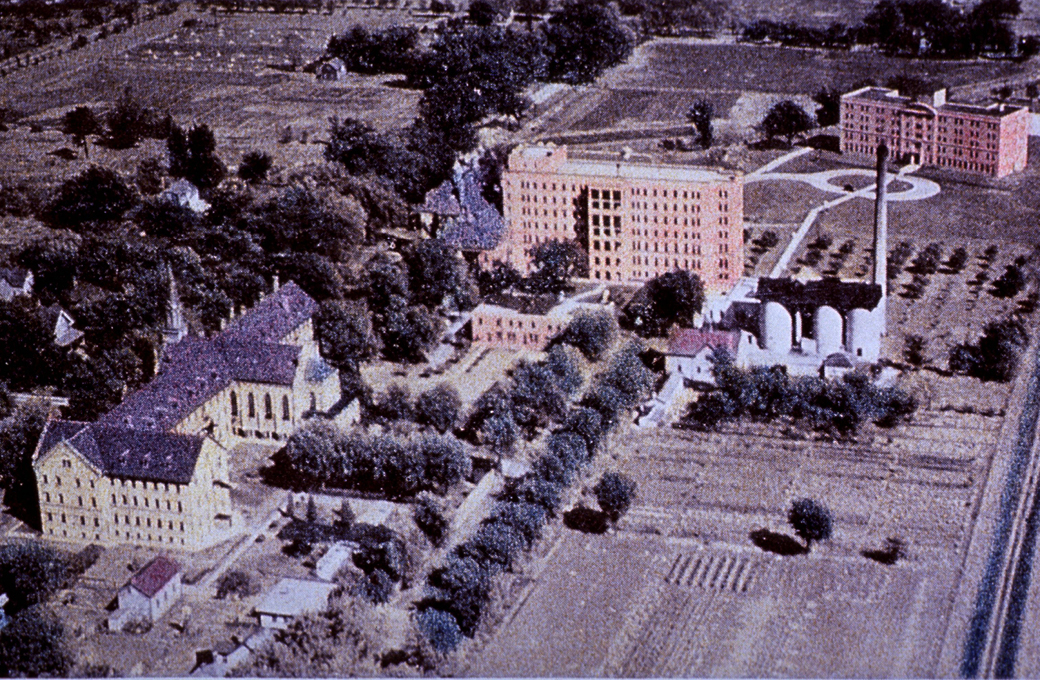
Beginning in the 1800s
1845 – Father Caspar Rehrl, a missionary priest from Austria, arrives in the new Diocese of Milwaukee in the Wisconsin Territory, to be the new pastor of St. John the Baptist Parish in Johnsburg. He traveled everywhere on foot and founded more than 15 parishes and schools.
1848 – Wisconsin becomes a state.
August 12, 1858 – Fr. Rehrl founds the Congregation of Sisters of St. Agnes (CSA). Their mission is to teach the children of settlers in Wisconsin.
1862 – Life is hard, and the numbers of CSA sisters dwindle. But the arrival of 15-year-old Mary Hazotte, from Detroit, Michigan, galvanizes the order. Fr. Rehrl calls her a “child of destiny.”
1864 – At age 17, (younger than most Marian freshmen today), Hazotte is elected general superior and named Mother Agnes Hazotte.
July 1, 1896 – The CSA sisters open St. Agnes Hospital in Fond du Lac.

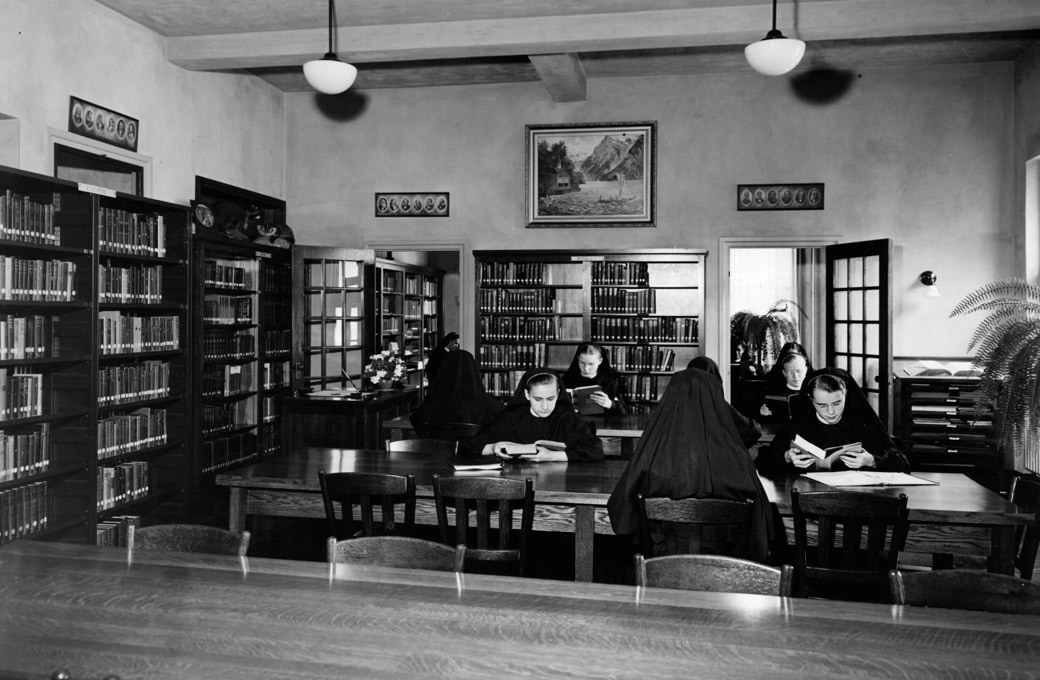
Progress from 1900-1939: Marian College Opens
1905 – Mother Agnes passes away, but the CSA sisters persevere.
October 3, 1910 – The CSA sisters open the St. Agnes School of Nursing next to St. Agnes Hospital, to educate the sisters to serve in the hospital.
September 1918 – The St. Agnes School of Nursing admits lay students.
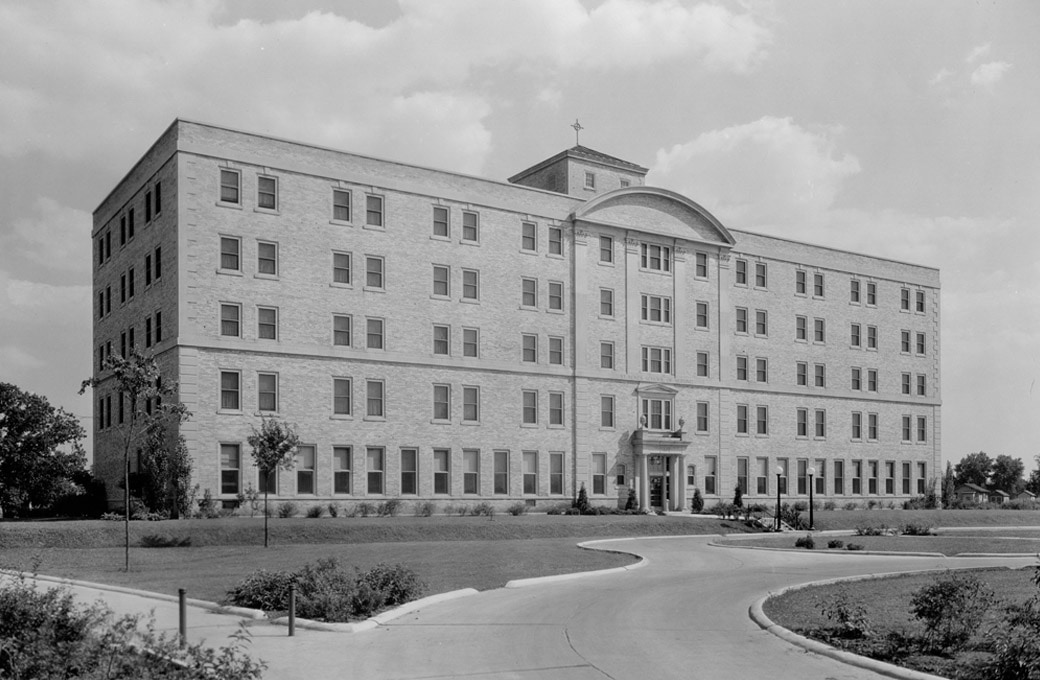
September 8, 1936 – Marian College opens. It is housed in the west wing of the sisters’ St. Agnes Convent at 400 E. Division Street, next to the original St. Agnes Hospital.
When the Wisconsin Department of Public Instruction bars the sisters from wearing habits in public school classrooms, the sisters were unable to complete the requirements for a teaching degree in state institutions of higher learning. Two more CSA pioneers, Mother Aloysia Leikem and Sister Vera Naber, petition to create their own college. Marian College opens as a women’s college, with eight faculty, 17 full-time students, and 25 part-time students. Mother Aloysia became Marian’s first president, and Sister Vera became Marian’s first academic dean.
Marian’s first unofficial sport, women’s volleyball, is played in the basement of the convent.
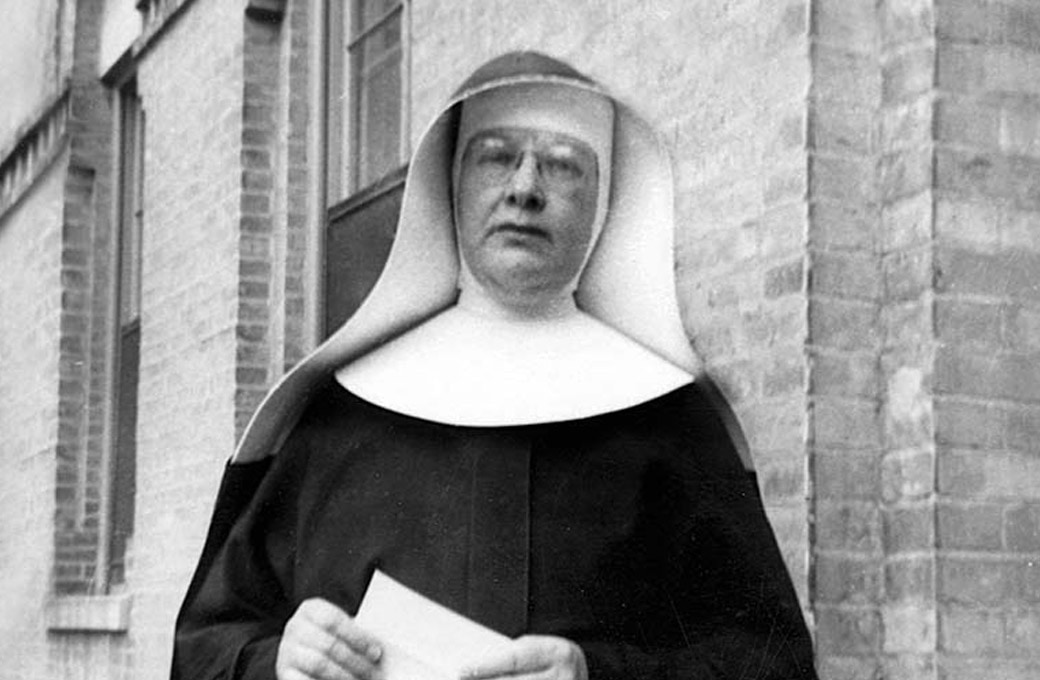
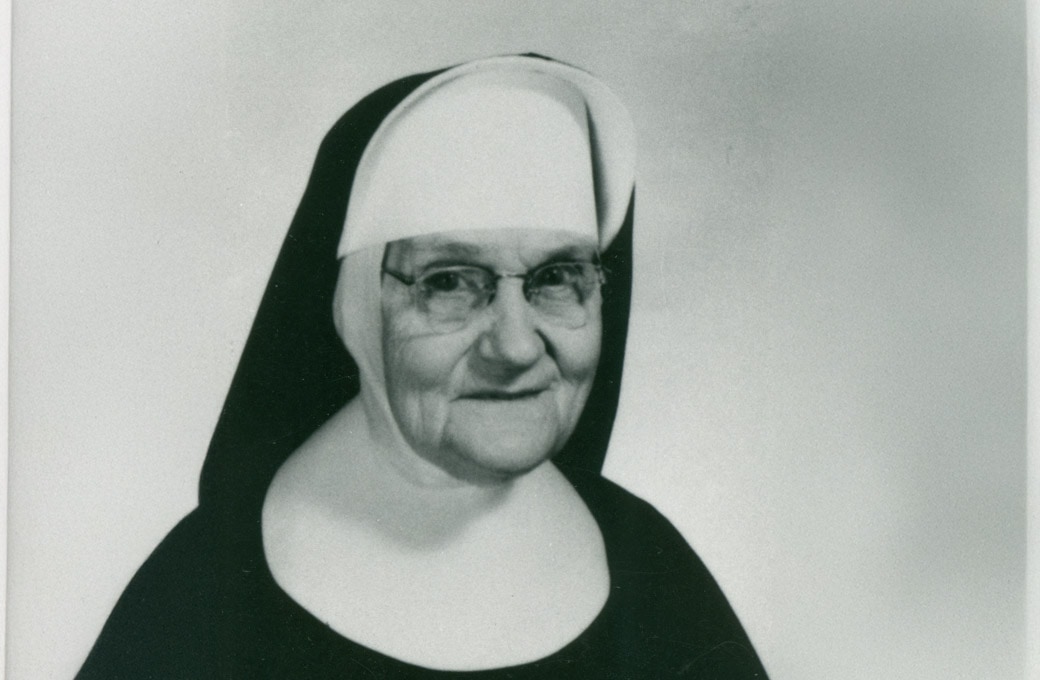
Milestones from 1940-1959
1940 – Hal F. Hornby, superintendent of Fond du Lac Rural Schools, attends art and music classes with his wife, making him the first male student at Marian.
1941 – Marian College holds its first Commencement ceremony, and awards the first eight degrees to CSA sisters that August. Marian’s first lay graduates receive their degrees the following year.
Marian receives accreditation to grant a Bachelor’s Degree in Elementary Education.
1949 – Marian begins its affiliation with the Catholic University of America and is recognized by the National Catholic Educational Association.
1950 – By this time, Marian boasts 86 full-time and 145 part-time students attending day, evening, and summer classes.
1952 – Sister Fidelis Karlin, CSA, becomes president of Marian College. She is the driving force behind the growth of the campus in the 1950s, and her vision results in the present-day Marian campus.
1959 –The book: With All Devotedness: Chronicles of the Sisters of Saint Agnes, by Sister Vera Naber, is published.
History from 1960-1964
1960 – The North Central Association of Colleges and Secondary Schools (now the Higher Learning Commission) accredits Marian’s Teacher Education.
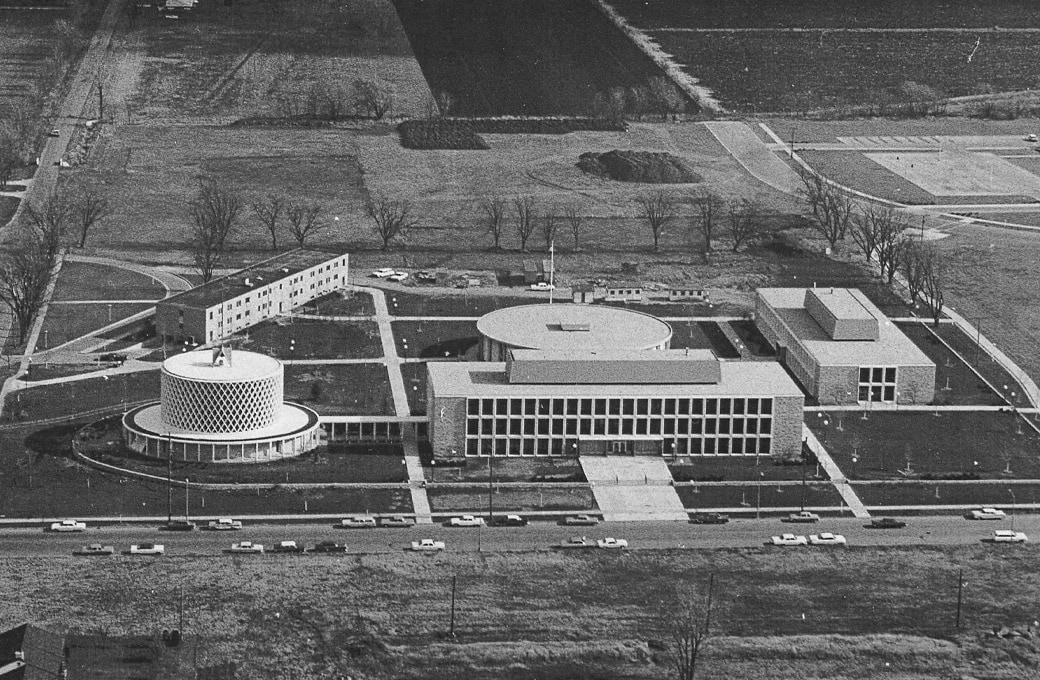
1962 – Marian’s student population is outgrowing the St. Agnes Convent. Land is purchased at the corner of South National Avenue and East Division Street in Fond du Lac. Regina Hall is the first building. (And it’s still there.)
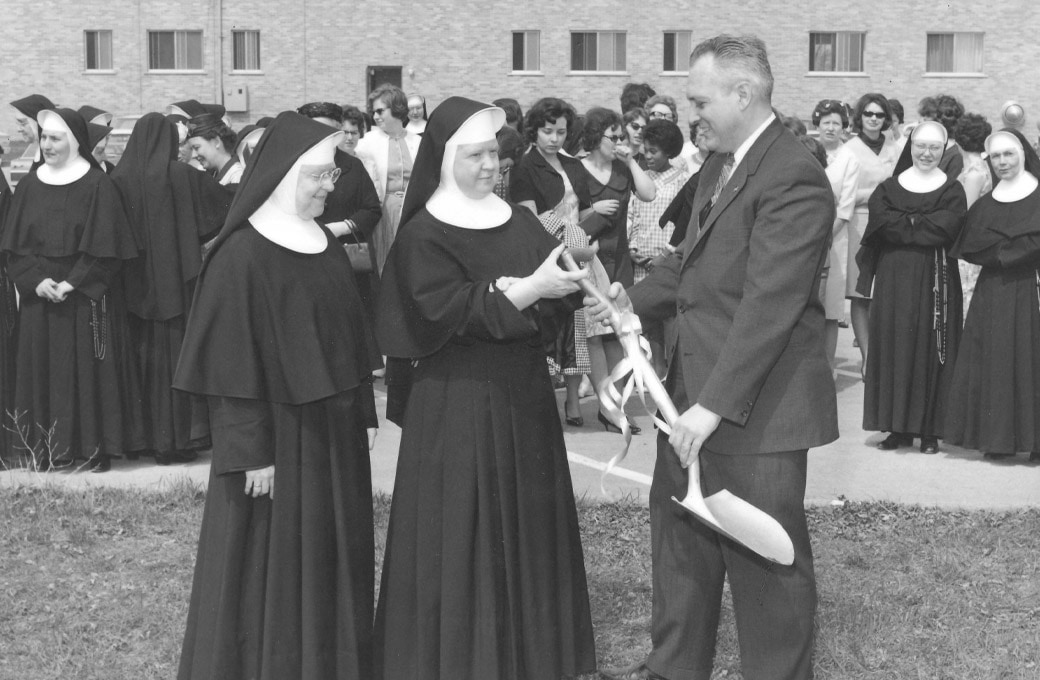
1963 – Marian College is incorporated separately, and the leadership passes from the Congregation of Sisters of St. Agnes to a Board of Trustees. The CSA sisters continue their sponsorship of the university and work in collaboration with the Board of Trustees. The sisters remain active and have a vibrant role in the life of the university.
1964 – Marian College starts its Nursing Program.
Progress from 1965-1969
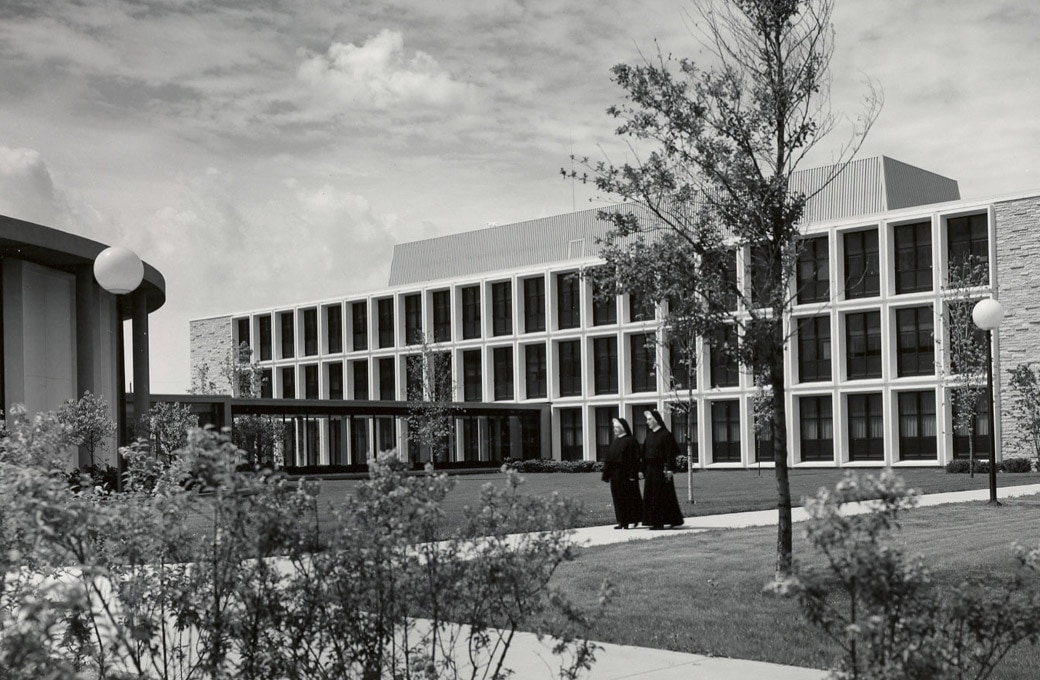
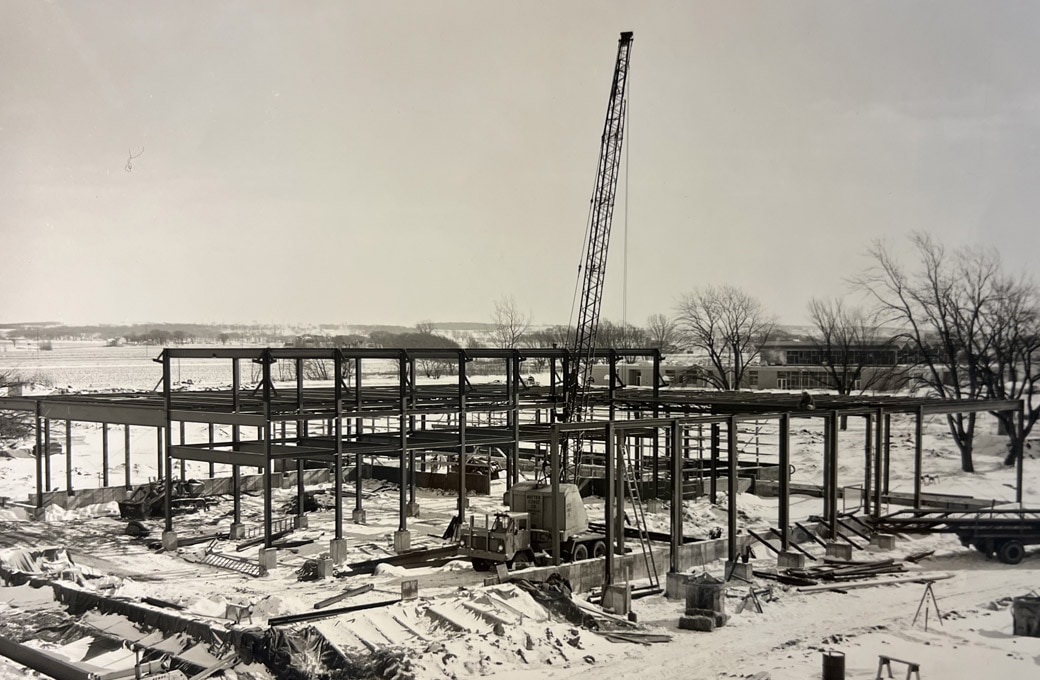
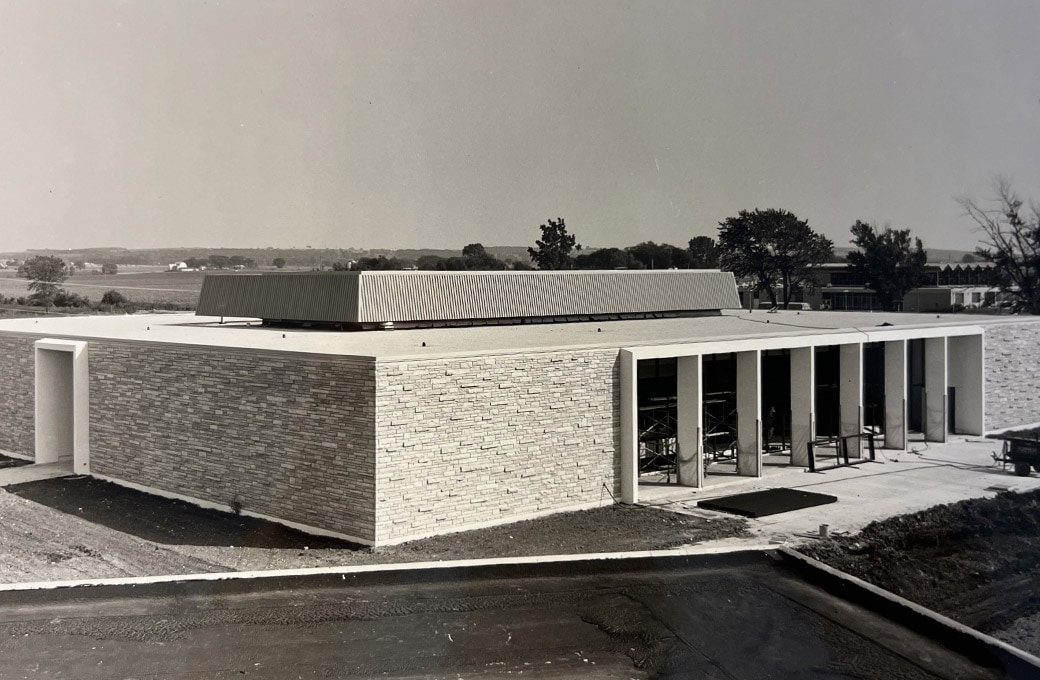
1965 – The Administration Building (later named Mother Agnes Hazotte Hall) and the Cardinal Meyer Library are built. Cardinal Meyer, originally from Milwaukee, is Archbishop of the Archdiocese of Milwaukee from 1953-1958 and then Cardinal of the Archdiocese of Chicago from 1958-1965.
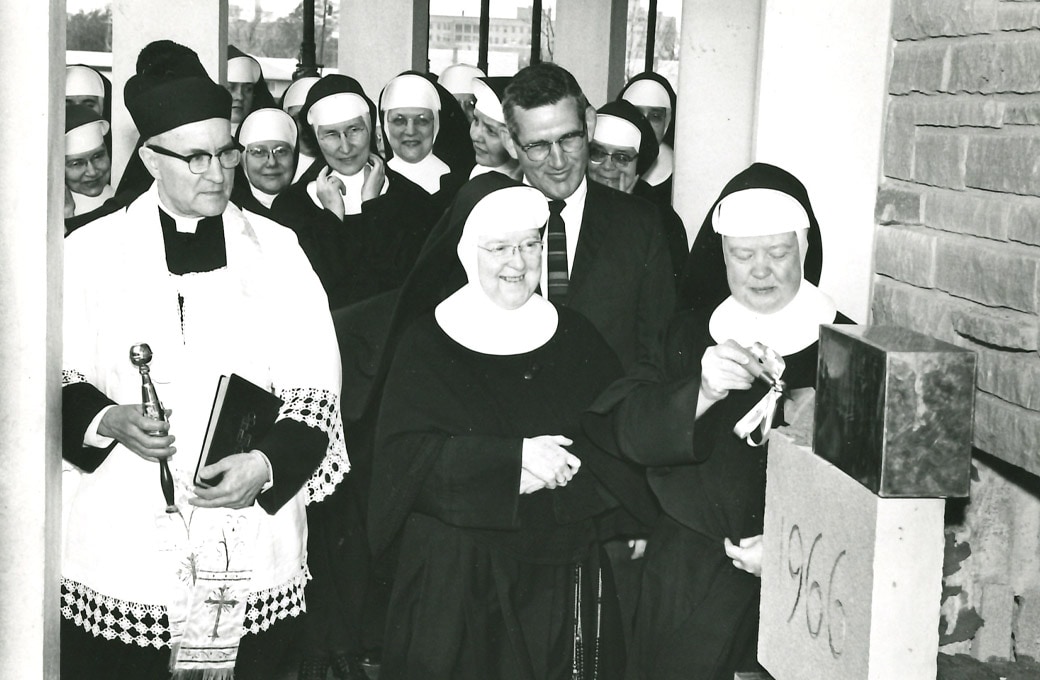
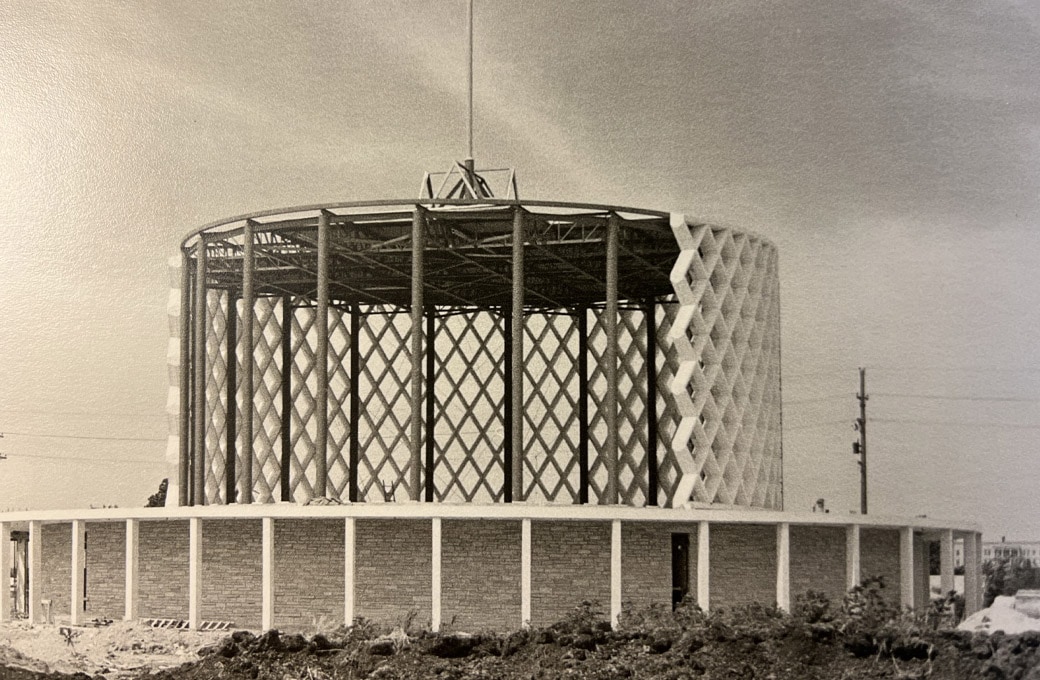
1966 – The iconic Dorcas Chapel is built. The chapel is the vision of the Reverend Benjamin J. Blied, benefactor and dedicated professor of Marian College from 1959 to 1978. Dorcas is a devout early Christian immortalized in the Acts of the Apostles: 10:36-42. (She is also referred to as Tabitha.) Dorcas is a seamstress, so the circular chapel with its cross-hatch pattern, is designed to resemble a spool of thread, while the cross on top, which can be seen from all directions, takes the shape of a sewing needle.
That same year, the St. Agnes School of Nursing closes and is absorbed into Marian’s Nursing program.
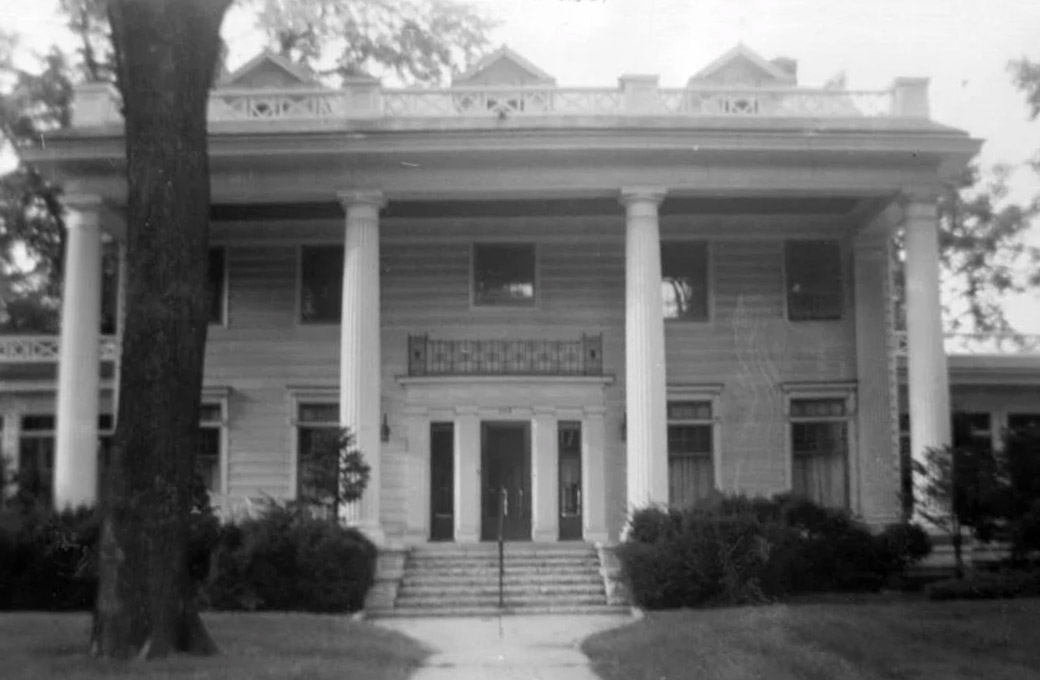
1968 – The Hornung Student Center and Ben Sadoff Science Building take shape. A women’s dormitory is built.
Milestones During the 1970s
1970 – Marian College becomes co-ed.
1972 – Marian’s Athletics program begins. Women’s basketball is the first officially-recognized athletic program at Marian.
Marian’s mascot becomes the Sabre (for Sabre Tooth Tiger) after student Jeannie Schaefer, ‘74, has the winning entry in a contest to name the team.
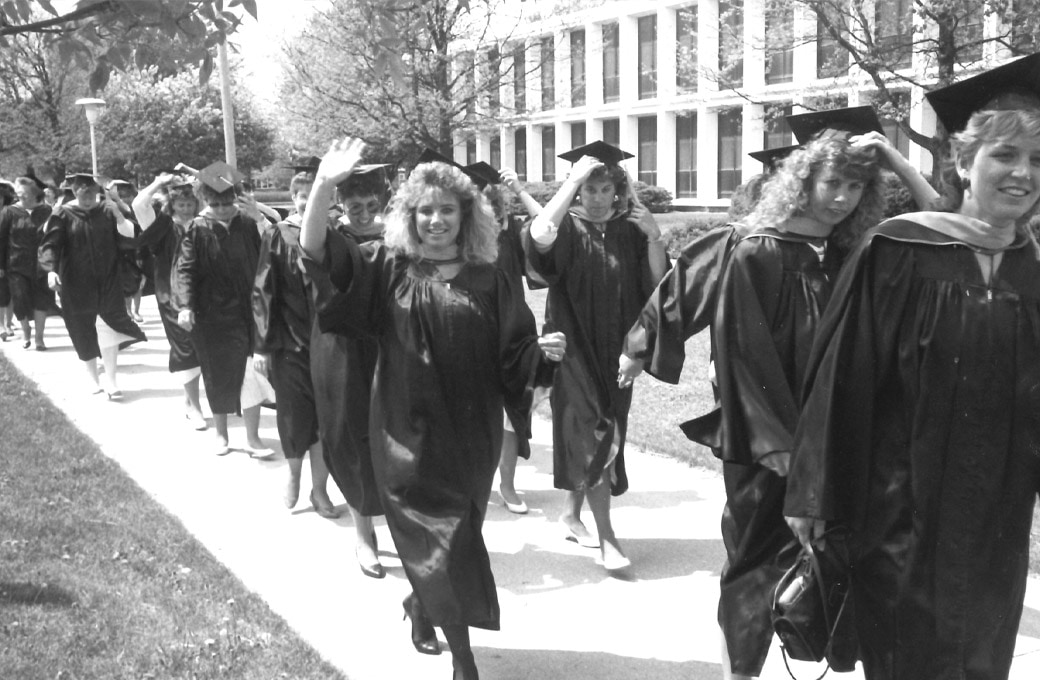
1973 – After more than 30 years of holding a single Commencement in the spring, Marian adds a Fall Commencement.
1974 – The women’s residence is named Naber Hall, for Sister Vera Naber, one of the founders of Marian College, and its first academic dean.
History from 1980-1999
1982 – The Howard L. Sadoff Gymnasium is added. Entrepreneur and philanthropist, Ben Sadoff, has the gymnasium named for his son, Howard, who passed away in 1961 at age 36.
1986 – A new pipe organ in Dorcas Chapel is blessed and dedicated. Sister Margaretta Ehrlich, CSA, former professor of music at Marian, is credited with the acquisition of this beautiful new instrument.
1987 – The Higher Learning Commission approves Marian’s Master of Arts in Education.
1989 – The first 12 master’s candidates receive degrees at the May Commencement. Marian continues to innovate, later adding master’s degrees in Business, Leadership, Nursing, and Industrial Organizational Psychology.
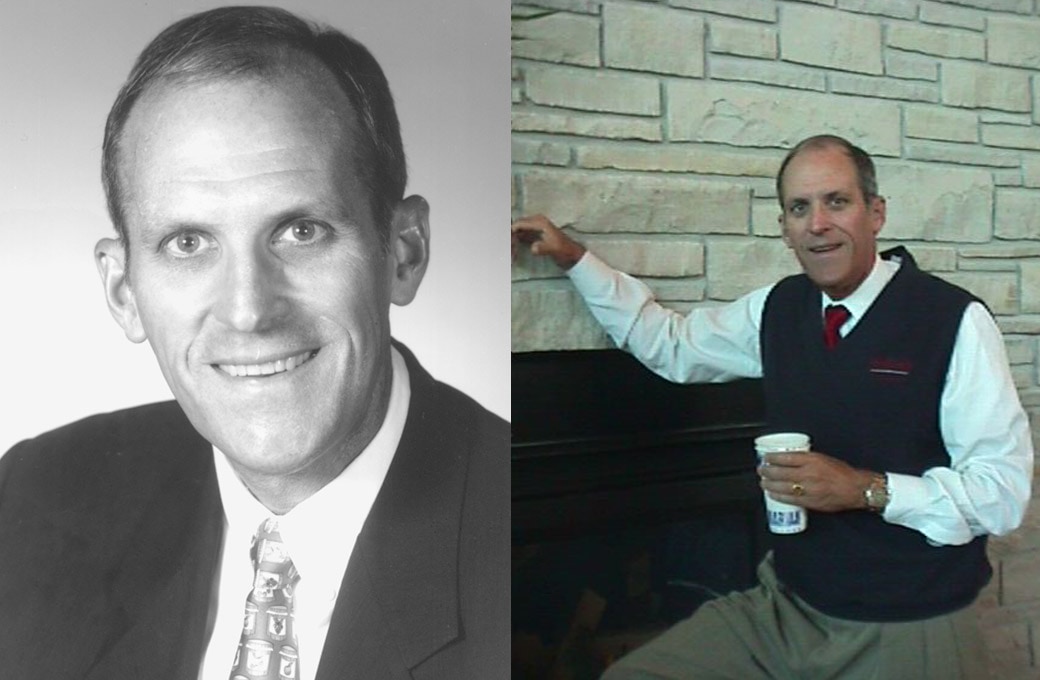
1997 – Dr. Richard Ridenour, a medical doctor and U.S. Navy Rear Admiral who once was in charge of the Bethesda Naval Hospital in Washington, D.C., and also a commander during Operation Desert Storm, takes the helm at Marian College. Dr. Ridenour renews the pride in the tradition and spirit of Marian, and his fundraising leads to a new era of growth for the university.
1999 – The Todd Wehr Alumni Center is the next campus enhancement.
History from 2000-2009: Becomes Marian University
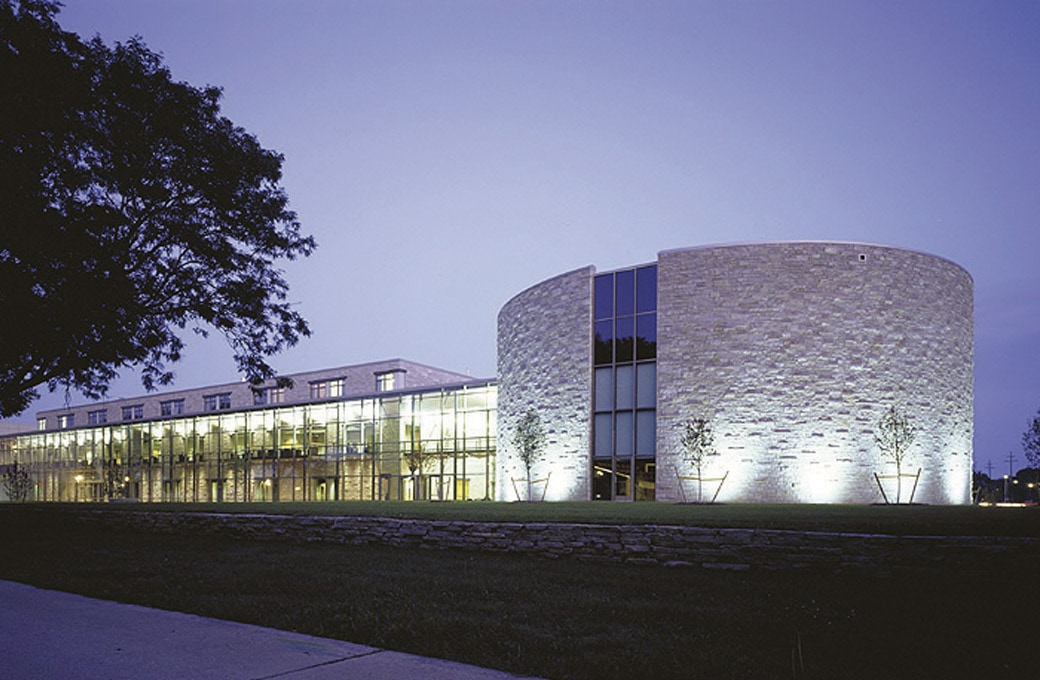
2001 – The Stayer Center is built, named for donors Ralph and Shelly Stayer of Johnsonville Foods, Inc. The Stayer Center houses the Arthur H. Sadoff Auditorium, a Dining Room, the Michels Atrium, and the Welcome Center.
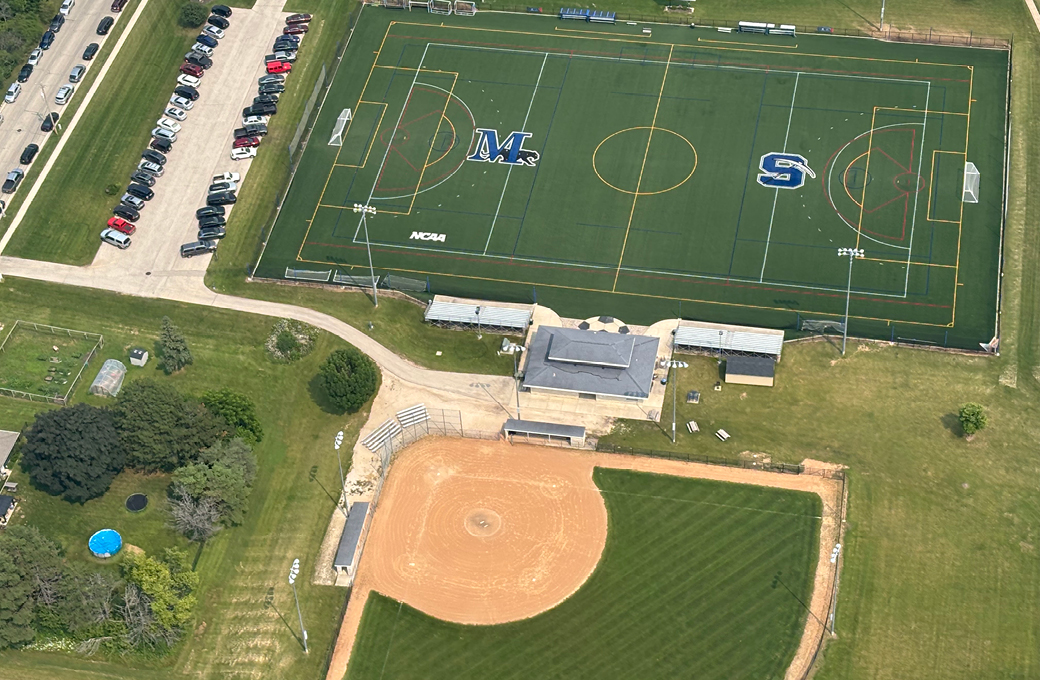
2002 – The Smith Fields athletic and intramural complex opens.
2006 – Marian’s first fully online program arrives — the predecessor to Marian’s groundbreaking Master of Education in At-Risk and Alternative Education.
2007 – The Samuel and Sarah Mackey Campus Ministry Center opens as a spiritual resource and retreat space.
The book: Ordinary Sisters: The Story of the Sisters of St. Agnes, 1858-1990, by Sister Margaret Lorimer, CSA, is published.
May 1, 2008 – Marian College is officially recognized by the Higher Learning Commission as Marian University.
2008 – The first pitch is thrown at the Sabres’ baseball stadium, Herr-Baker Field.
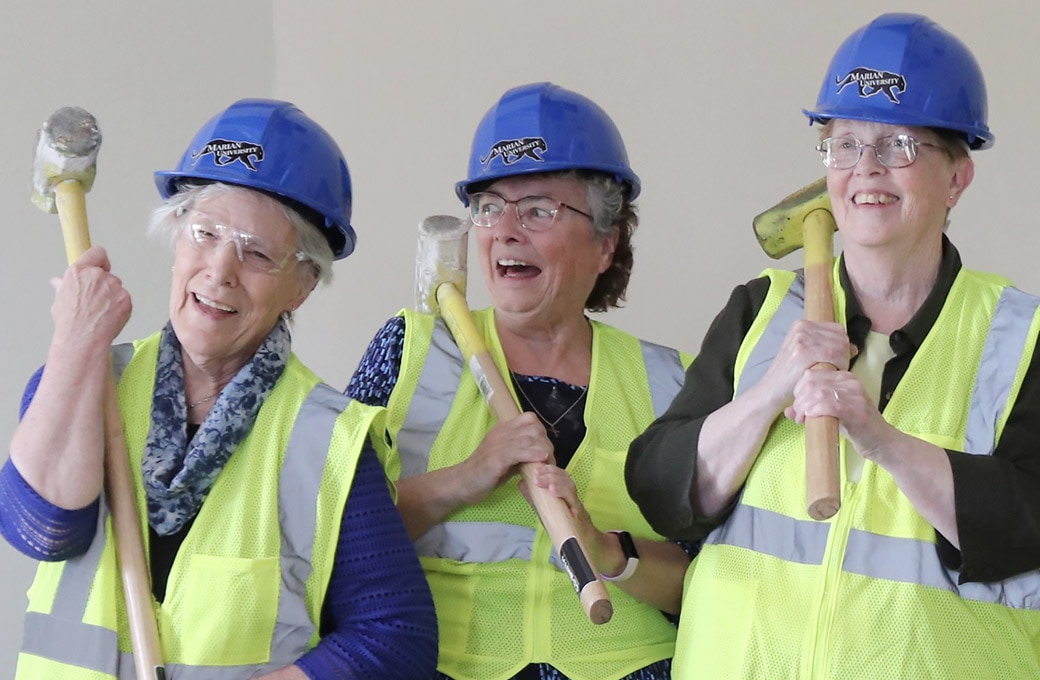
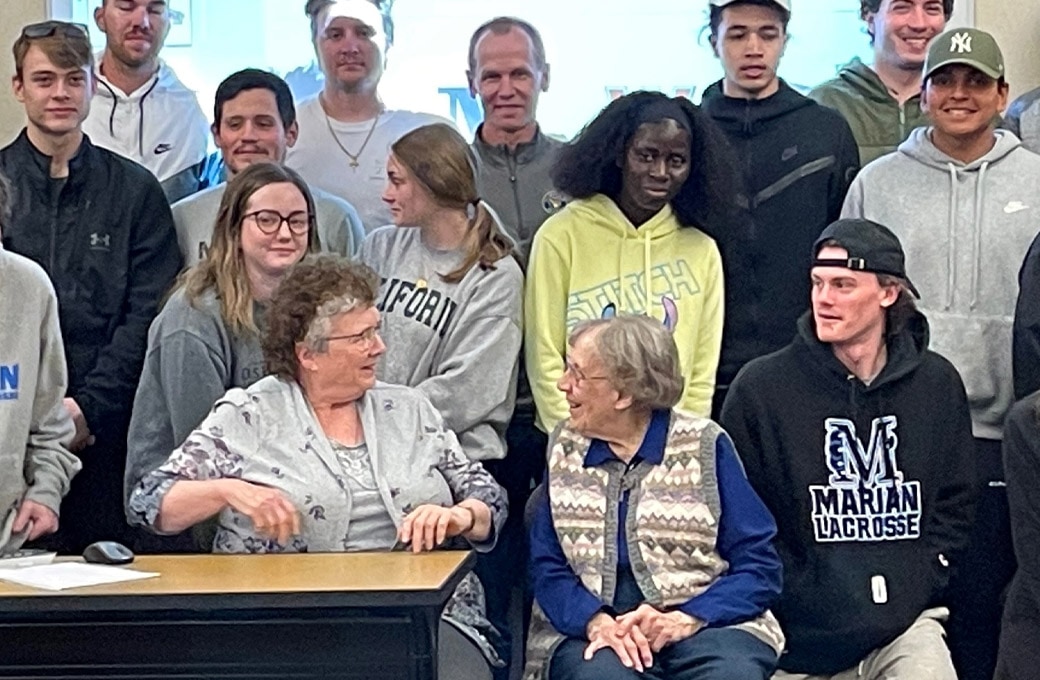
CSA sisters and associates gather at Marian University to celebrate the 150th year of the congregation’s founding.
History from 2010-2019
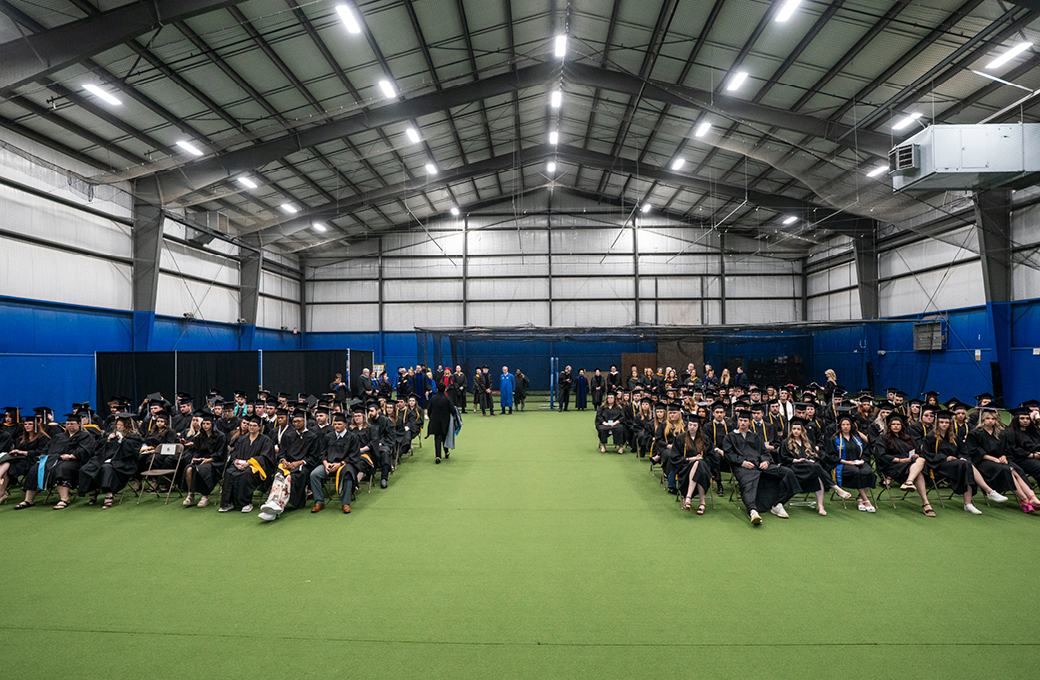
2011 – Marian opens the Lenz Field House, a state-of-the-art indoor recreation facility.
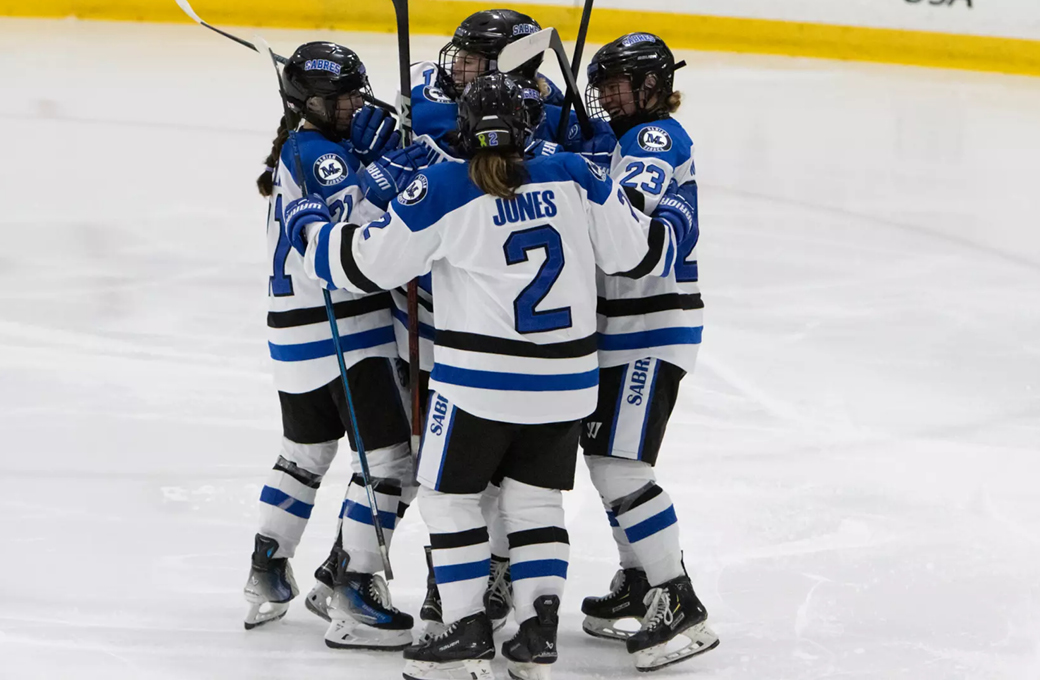
2012 – Marian unveils a newly renovated 2,000-square-foot women’s hockey locker room at the Blue Line Ice Center in Fond du Lac.
2013 – Marian introduces an online Master of Science in Thanatology, the study of death, dying, grief, and bereavement. Today, it’s one of Marian’s most popular programs, attracting students from all over the world.
2017 – Herr-Baker Field undergoes a renovation and also becomes the home of the Northwoods League’s Dock Spiders baseball team. Two years later, the 106,000 square-foot natural turf surface at Smith Fields is replaced with new artificial turf.
2018 – After an extensive renovation, the science building reopens as the Dr. Richard and Leslie Ridenour Science Center. The building was expanded and transformed with cutting-edge technology and comfortable study nooks.
History from 2020-Present
2020 – Marian introduces new online Completion degrees for licensed professionals who want to upgrade to a bachelor’s degree in Nursing, Radiologic Technology, Diagnostic Medical Sonography, Respiratory Therapy, or Dental Hygiene.
2021 – The administration building is renamed Mother Agnes Hazotte Hall. Marian introduces an online Social Work degree, with some field work required.
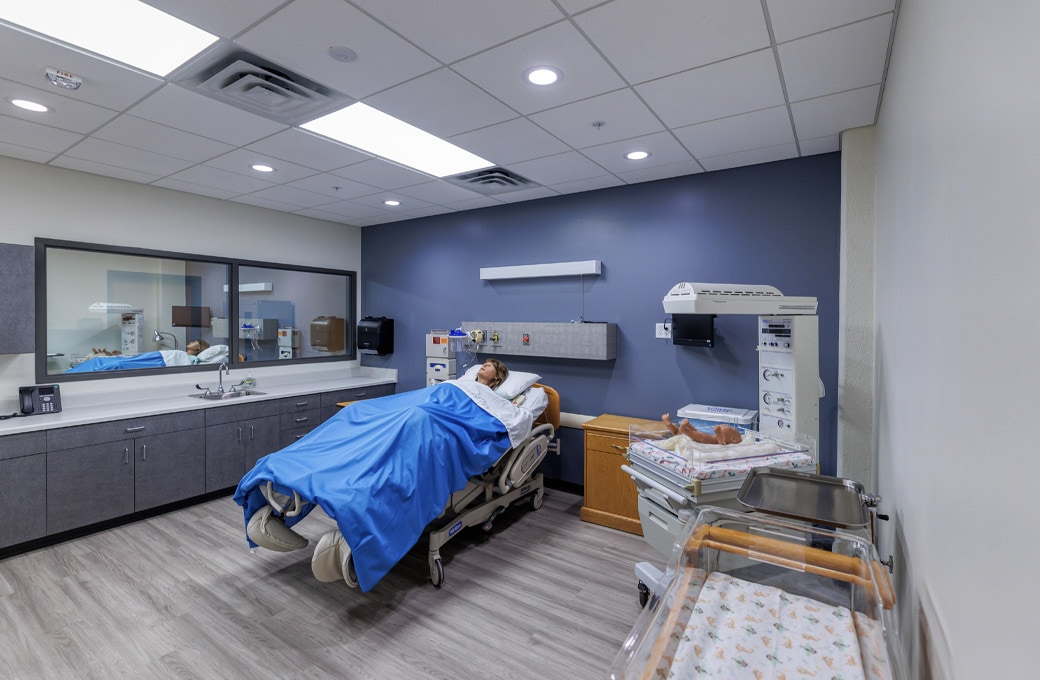
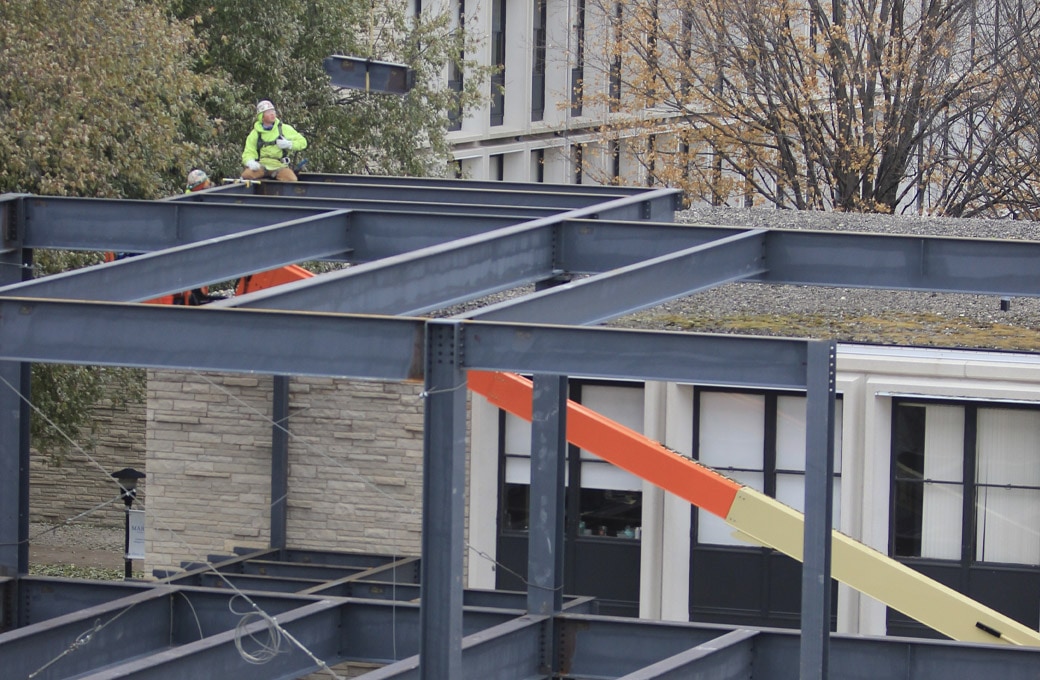
2023 – Marian’s Nursing program gains a new, state-of-the-art facility, when the university completes a major renovation of the first and second floors of the Stayer Center.
This same year, Marian’s Radiologic Technology and Diagnostic Medical Sonography programs move to SSM Health St. Agnes Hospital, just down the street.
2024 – Aaron Sadoff, a double-Sabre (with a Master’s in Educational Leadership and a Superintendent Licensure Certificate from Marian) and member of Marian’s Board of Trustees, becomes Marian’s 18th president.
Marian’s coffeehouse is reopened and rebranded. The Sabre Café, destined to be a welcoming space not just for students, but the entire Fond du Lac community.
Marian becomes the first four-year institution in Wisconsin to launch a Women’s Flag Football team.
Today, Marian University draws its students from Wisconsin, 44 other states, and all around the world.
Marian’s international students are from Australia, Brazil, Canada, China, Finland, Ghana, India, Nepal, the Netherlands, New Zealand, Norway, the Philippines, Serbia, Spain, and Sweden.
The pioneering spirit of the Congregation of Sisters of St. Agnes continues at Marian University, with that same courage, determination, and fortitude of the sisters, shining bright in our faculty, staff, students, and alumni.

